
Why does rural homelessness for youth look so different compared to urban areas?
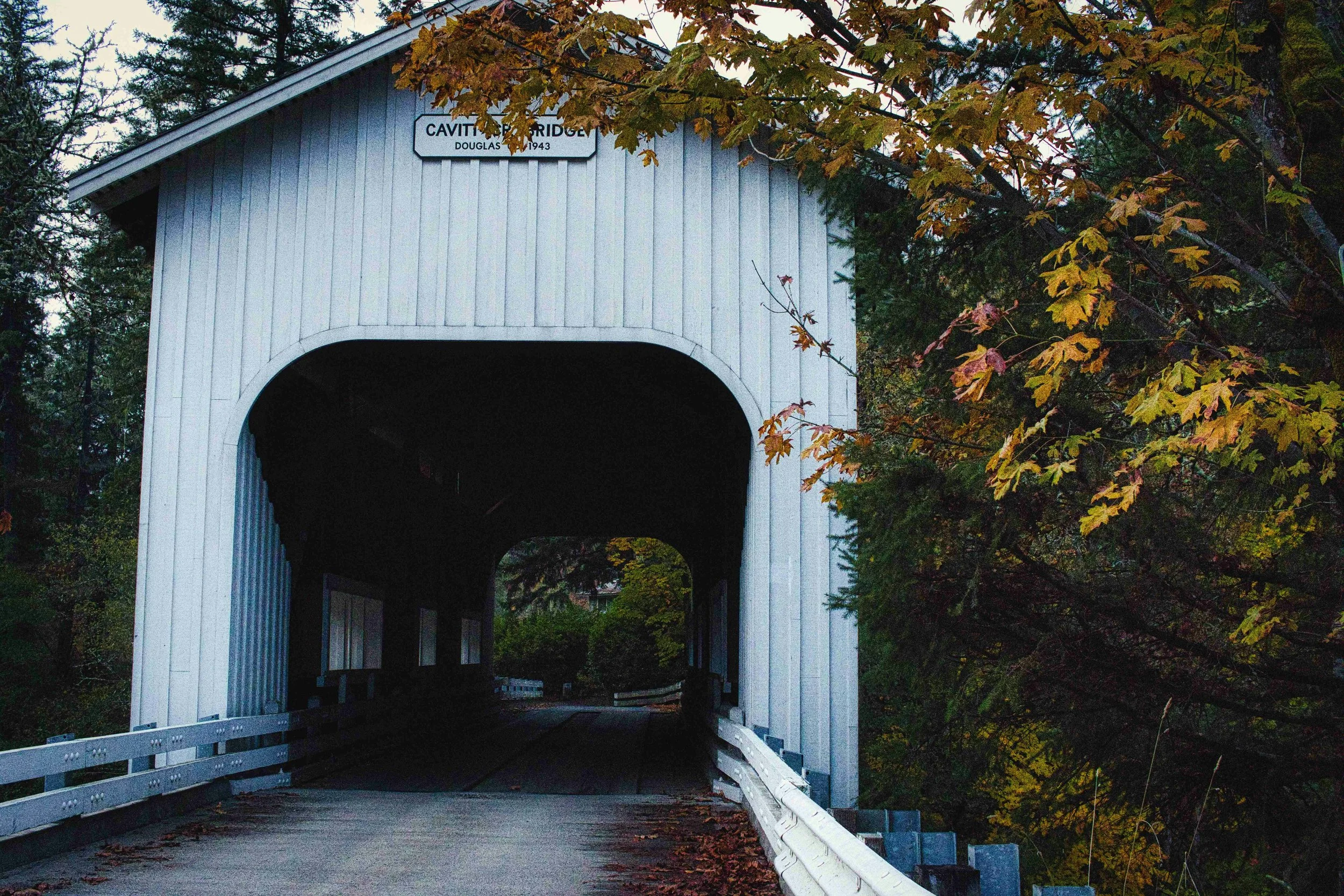
It is more hidden.
A young person may be couch surfing, staying temporarily with friends or relatives, sleeping in a car, or moving between places. Urban homelessness is more likely to be visible around shelters, service centers, or encampments. A study by Chapin Hall found similar rates among adolescents in rural and urban counties in its research, while noting that rural experiences were more often hidden.
The numbers can understate what is happening.
Counts that rely on shelters or street outreach may miss youth staying temporarily with others or living in scattered locations. A national study also found that many young people’s housing situations shift over time, including between couch surfing, being doubled up with family or friends in unsafe situations, and other forms of homelessness.
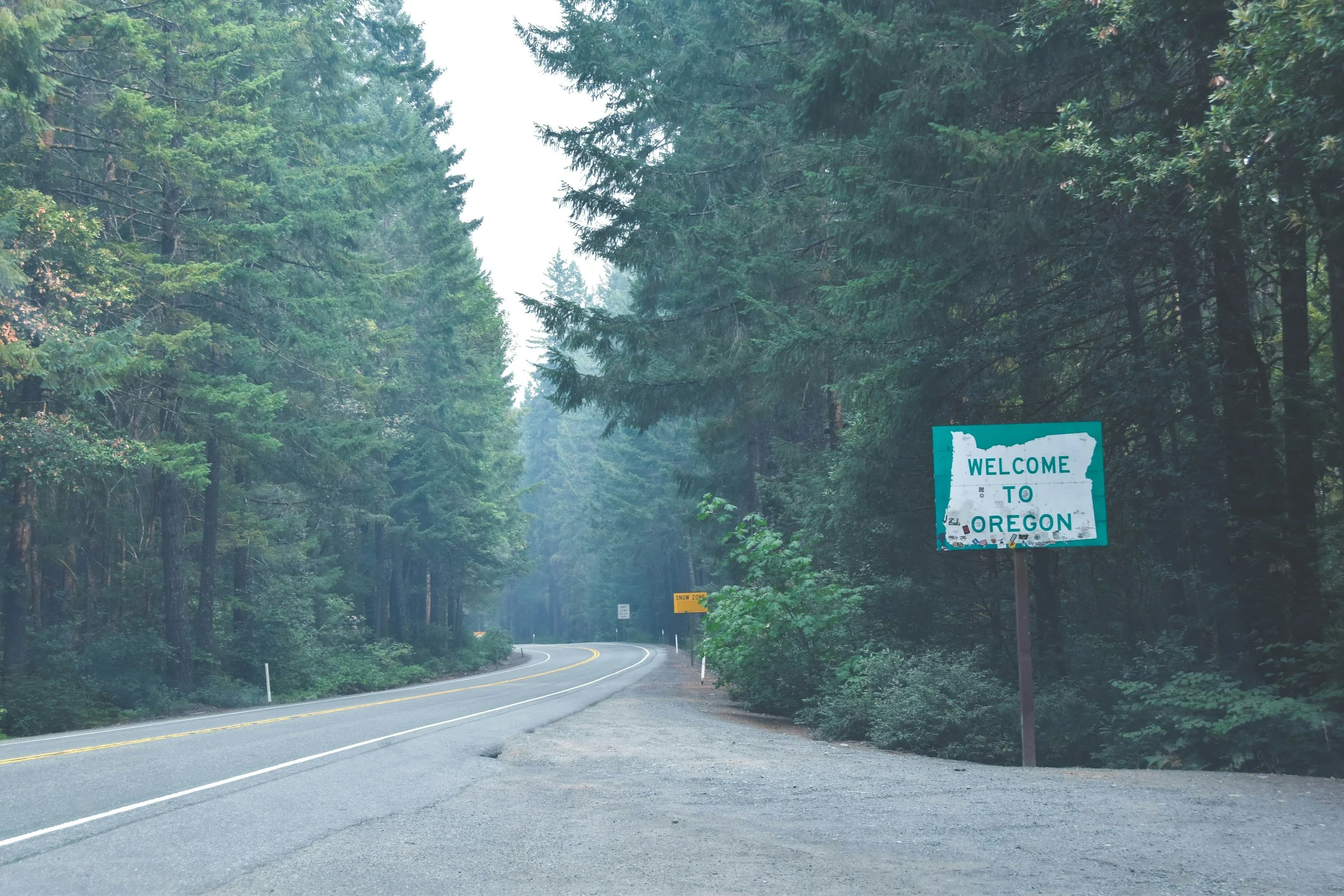
Getting help can mean travelling a long ways away.
Rural communities often have fewer youth-specific shelters and programs. Distance, limited public transit, and transportation challenges can make it harder to reach services and stay connected to school.
Housing and job options may be limited.
A small rental supply, fewer entry-level jobs, or a local economic downturn can make it harder for a young person to move from a temporary place to stable housing. Chapin Hall also found greater disconnection from school and work among youth surveyed in smaller counties, though that finding comes from a limited set of counties and should not be assumed to describe every rural community.
Douglas County counted 560 homeless youth within their school districts during the 2024-2025 school year.
-
We commonly use the idea of lacking a fixed, regular, and adequate nighttime residence. We discuss youth under 18 and young adults ages 18–24 separately because they may use different services and have different needs. Housing instability can include staying temporarily with others or couch surfing; it is not limited to sleeping outdoors.
-
While official numbers through McKinney-Vento school district liaisons hover in the 500 range every year, there is no complete count. In a 2026 study conducted by the Douglas County Homeless Youth Solutions (HYSI), true estimates are closer to 1,200-1,300 youth per year.
-
Many young people are staying with other people or moving between temporary arrangements, rather than gathering at a shelter or visible service location. Services are concentrated in Roseburg, while youth in places such as Reedsport, Glendale, Sutherlin, and the North Umpqua corridor may face long distances and limited transportation. Recorded McKinney–Vento identification rates in Glendale and Reedsport are notably high, while access to services there remains limited.
-
Douglas County as a whole remains without an emergency, unaccompanied youth shelter, leaving youth without a parent or guardian with them unable to maintain safe, stable shelter. Boys, regardless of whether they are with a parent or guardian, do not have a shelter within Douglas County that will allow them to reside there between the ages of 14-17 years old, leaving a significant gap for the safety of our youth.
-
Research reports that Douglas County still lacks a permanent, low-barrier, youth-specific emergency shelter following Casa de Belen’s closure in 2020. It identifies some housing options, but notes that eligibility varies and does not fit every youth or family situation. The inventory specifically identifies a significant gap for unaccompanied boys ages 14–17.
For rural areas, the option host homes and short-term motel placements paired with case management as possible parts of a broader emergency response. While wide cautions that host homes require substantial recruitment, screening, training, and ongoing support—and should not be treated as a universal solution, FARA currently is vetting and maintaining a Host Home program through Safe Circle NW.
-
The Homeless Youth Solutions Initiative is a Douglas County collaboration convened by Creating Community Resilience. Its role is to coordinate partners, identify service and system gaps, and advance shared solutions; it is not itself a single housing provider or emergency intake service. HYSI’s public page describes workgroups focused on crisis response and outreach, shelter and host homes, school supports, youth voice, and capacity building.
-
FARA’s team point toward practical ways to contribute: help build vetted host-home options, support mobile or school-based outreach, strengthen referral pathways to housing and employment, participate in cross-agency planning, diversify funding, and help create meaningful youth governance and peer-support roles. FARA’s youth services through Safe Circle NW remains open for volunteers of varying capacities and goals, and we recommend meeting with the program director, Emily Lowery, to discuss what would be the best fit.




“A house of cards—always one gust of wind away from collapse.”
— Douglas County community respondent,
quoted in the 2026 HYSI Strategic Roadmap, p. 9